Sports injuries8 min read
ACL reconstruction recovery timeline: a phase-by-phase guide
What to expect after ACL surgery, from the first weeks to return to sport, and why passing the right tests matters more than the date.
FiixBE Clinical Team
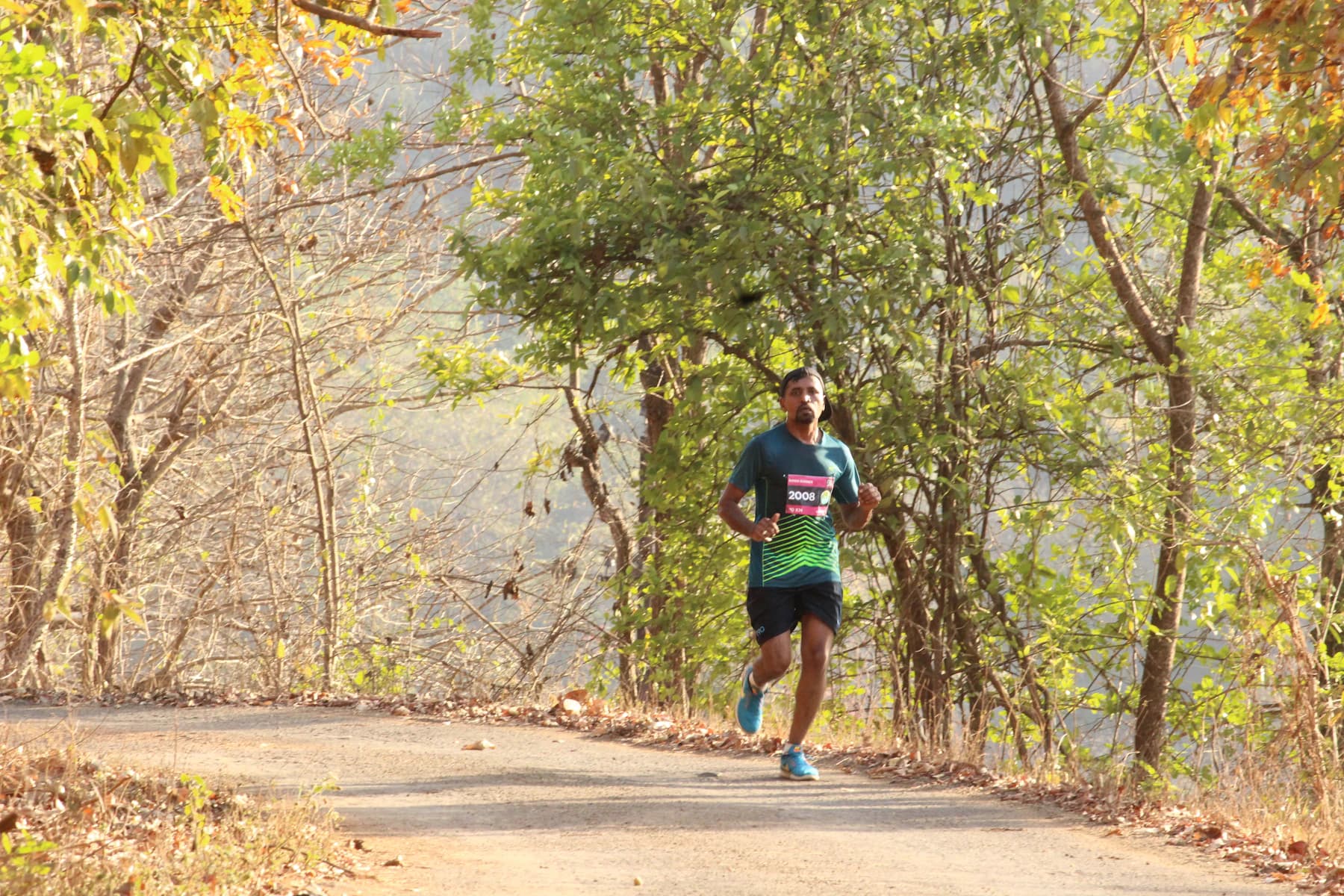
ACL surgery is not the finish line. It is the start of a long rehab. Guidelines recommend 9 to 12 months of rehab before high-intensity sport. Some people need longer.
That can feel daunting. It helps to see recovery as a series of phases, each with clear goals. This guide walks you through them, from the first days to your return to the field.
Why tests matter more than the calendar
Many rehab plans have moved people on by date alone. Current guidelines have moved away from this.
A Dutch guideline published in the British Journal of Sports Medicine recommends goal-based phases. You move to the next phase only when you have met the goals of the current one. Your physiotherapist checks this with objective tests. The guideline recommends continuing rehab for 9 to 12 months, depending on your goals.
Time still matters, though. The graft needs time to heal. In a study of 106 athletes, each month of delay in returning to sport cut the re-injury rate by 51%. This held up to 9 months after surgery. Athletes with more equal thigh strength between legs also had fewer re-injuries.
So the best approach combines both. Wait long enough, and pass your tests before you return.
Before surgery
What you do before the operation counts. A knee that cannot fully straighten before surgery is a major risk for the same problem afterwards. Thigh weakness of more than 20% before surgery is linked to worse self-reported results two years later. If you have time, ask about "prehab" with a physiotherapist.
Phase 1: the first two weeks
Goals: calm the swelling, get the knee fully straight, and wake up your thigh muscle.
Early on, the focus is on two things. Fully straightening the knee, and regaining control of the quadriceps, the big muscle at the front of your thigh. A Cambridge NHS hospital guide sets these first-week goals:
- Full knee extension (a completely straight knee)
- A straight leg raise with no sag at the knee
- At least 45 degrees of knee bend
- A normal walking pattern
Most people use crutches for about two weeks. Your surgeon decides how much weight you can take, especially if other parts of the knee were repaired.
Swelling tips from the NHS: Use an ice pack wrapped in a tea towel for 15 to 20 minutes every 2 to 3 hours. Stop if your skin goes numb. Keep your leg raised when you rest. Do not rest with a pillow under your knee.
Early exercises
Do these little and often. Your physiotherapist may change them for you.
Ankle pumps
- Lie down or sit with your leg out.
- Point your feet down, then pull them up toward you.
Do 8 to 15 repetitions at least every couple of hours.
Static quads
- Lie on your back with your leg straight.
- Pull your toes toward you.
- Tighten your thigh and press the back of your knee down into the bed.
Hold for 5 to 10 seconds. Do 6 to 12 repetitions, 2 to 3 sets.
Straight leg raise
- Lie on your back. Tighten your thigh so the knee is locked straight.
- Lift the whole leg a little way off the bed.
- Lower it slowly.
Do 6 to 12 repetitions, 2 to 3 sets.
Resting in extension
- Sit with your heel on a chair or stool, so the knee is unsupported.
- Relax and let the knee straighten under its own weight.
Stay there for 3 to 5 minutes, several times a day. Never force it.
Knee bends
- Lie on your back.
- Slowly slide your heel toward you to bend the knee, then straighten it again.
Do 8 to 15 repetitions. Go a little further each day.
Pain and swelling rule: Low-level discomfort is normal. If your knee becomes warmer, more swollen or more painful, ease off the exercise that caused it. Use ice and elevation, and tell your physiotherapist.
Phase 2: weeks 2 to 6
Goals: walk without crutches, keep the knee fully straight, and build your knee bend.
You can usually stop crutches once you have a good straight leg raise. The Cambridge guide aims for 90 degrees of bend by the end of week 2 and 120 degrees by the end of week 4.
Exercises grow to include bridges, sit-to-stands, heel raises and small squats. For the first 3 to 4 weeks, keep squats between straight and about 60 degrees of knee bend. Aim for 8 to 12 repetitions, 2 to 3 sets, until your muscles feel tired.
Many people go back to work at about 4 to 6 weeks, depending on the job. Do not drive until your medical team says you are fit.
Phase 3: weeks 6 to 12
Goals: build strength and balance.
The graft is still healing into the bone, so avoid falls. Work now includes leg press, step-ups, single-leg balance and a static bike. Avoid running, jumping, pivoting and sudden changes of direction for now.
One key goal is a single-leg dip with good control. That is a small, slow squat on one leg.
Phase 4: from about 3 months, return to running
Most programs let people start running around 12 weeks after surgery. A review of 201 studies found a wide range, from 5 to 39 weeks. Fewer than one in five studies used any test beyond time.
The most common tests were:
- Full knee movement, with no pain or very little pain
- Thigh muscle strength in the operated leg at least 70% of the other leg
- Hop test scores at least 70% of the other leg
The Aspetar guideline adds that you should master controlled jumping before you run. Running is really a series of single-leg jumps. The Cambridge guide starts straight-line jogging at about three months, once your single-leg dip is good. Some people take longer, and that is fine.
Phase 5: 6 to 12 months, return to sport
The earliest return to sport is usually about six months. Many people need longer. OrthoInfo notes that most patients return to full sport within 6 to 12 months.
Before you return, your physiotherapist will run a set of tests. Common return-to-sport criteria include:
- No giving way, and no fear of giving way
- Quadriceps and hamstring strength within 10% of your other leg
- Hop tests within 10% of your other leg
- An agility test
- A questionnaire on your psychological readiness
These tests are tough. In one study, only 23% of patients passed a strict six-test battery two years after surgery. The Aspetar guideline also notes that studies disagree on whether passing tests prevents new ACL injuries. Tests are useful, but they are not a guarantee. Time, strength and confidence all matter.
Re-injury risk
A second ACL injury is a real risk, especially for young athletes. A review found an overall second ACL injury rate of 15%. In people under 25 who returned to sport, it rose to 23%. That is nearly one in four.
Returning to jumping and pivoting sports raises the risk. In the Delaware-Oslo study, athletes who went back to these sports had more than four times the re-injury rate.
Most people do get back to some sport. A large review found that 81% returned to any sport after surgery. 65% returned to their pre-injury level, and 55% to competitive sport.
Mental readiness
Your head needs to be ready, not just your knee. In one study of 164 people, only 40% had returned to their pre-injury sport. The top reasons for not returning were not trusting the knee (28%), fear of a new injury (24%) and poor knee function (22%).
Psychological readiness had the strongest link with getting back to sport. Confidence, a sense of control and fear of re-injury all affect rehab, according to the Dutch guideline. It recommends measuring these with a questionnaire during rehab.
If you feel nervous about cutting, landing or contact, say so. Fear is common, and your physiotherapist can build your confidence step by step.
When to see your physiotherapist or surgeon
Get urgent medical help after ACL surgery if you have:
- Throbbing or cramping pain in your leg
- A high temperature, or you feel hot and cold
- Pus or fluid oozing from your wound
- Tenderness, swelling, pain or redness in the knee that is getting worse or not improving
These can be signs of infection or a blood clot.
Call an ambulance or go to an emergency department if you have leg pain and swelling with chest pain or difficulty breathing. This could be a blood clot in the lungs. Do not drive yourself.
Also tell your surgeon if your pain has not started to improve within a few days of surgery. If your knee feels unstable or gives way, see your physiotherapist or surgeon.
Doing your rehab at home
ACL rehab is long, and much of it happens at home. FiixBE lets you follow your physiotherapist's exercise plan in front of your phone camera. It counts reps, checks your knee angles and form, and sends each session to your physio. You can try it now on the web.
This article is general information, not medical advice. Talk to your physiotherapist or doctor before starting new exercises.
Sources
- van Melick N et al. Evidence-based clinical practice update: practice guidelines for anterior cruciate ligament rehabilitation based on a systematic review and multidisciplinary consensus. British Journal of Sports Medicine, 2016
- Kotsifaki R et al. Aspetar clinical practice guideline on rehabilitation after anterior cruciate ligament reconstruction. British Journal of Sports Medicine, 2023
- Aspetar clinical practice guideline (summary) - Aspetar Sports Medicine Journal
- Grindem H et al. Simple decision rules can reduce reinjury risk by 84% after ACL reconstruction: the Delaware-Oslo ACL cohort study. British Journal of Sports Medicine, 2016
- Wiggins AJ et al. Risk of secondary injury in younger athletes after anterior cruciate ligament reconstruction: a systematic review and meta-analysis. American Journal of Sports Medicine, 2016
- Ardern CL et al. Fifty-five per cent return to competitive sport following anterior cruciate ligament reconstruction surgery: an updated systematic review and meta-analysis. British Journal of Sports Medicine, 2014
- Ardern CL et al. The impact of psychological readiness to return to sport and recreational activities after anterior cruciate ligament reconstruction. British Journal of Sports Medicine, 2014
- Rambaud AJM et al. Criteria for return to running after anterior cruciate ligament reconstruction: a scoping review. British Journal of Sports Medicine, 2018
- Anterior cruciate ligament (ACL) reconstruction rehabilitation - Cambridge University Hospitals NHS Foundation Trust
- ACL surgery: Recovery - NHS
- ACL surgery: Complications - NHS
- ACL Injury: Does It Require Surgery? - OrthoInfo, American Academy of Orthopaedic Surgeons